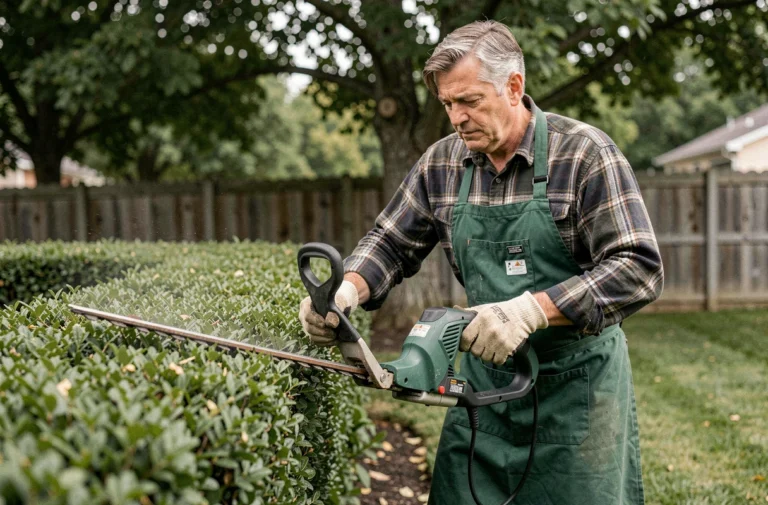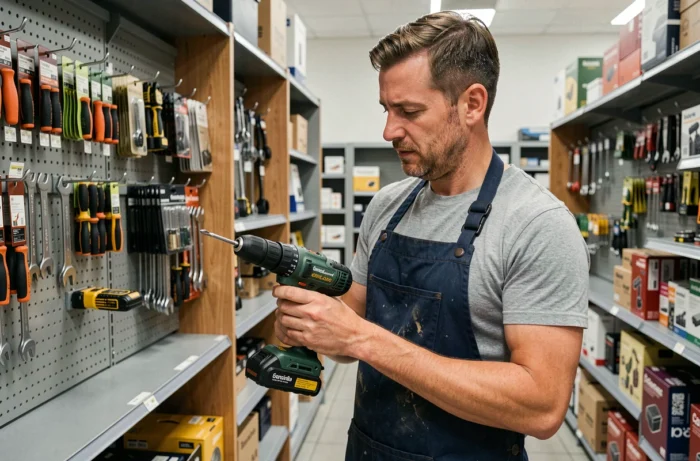
Installing a shelf, replacing a faucet, sanding a piece of furniture before repainting: each task requires a specific tool. Choosing your DIY equipment is not just about randomly filling a toolbox. A poor choice slows down work, damages materials, and can even cause an accident. Here’s how to select the equipment that truly matches your home improvement projects.
Replaceable battery and spare parts: the criterion that few DIYers check
Have you ever bought a cordless drill only to find out, three years later, that the battery is no longer manufactured? This issue becomes a real criterion for choosing power tools. European regulations on batteries are gradually requiring manufacturers to make batteries user-replaceable and to ensure the availability of spare parts.
Before comparing the power or torque of a cordless tool, check two concrete points. Does the manufacturer offer a battery system compatible with several tools in the same range? And are the batteries, chargers, and spare parts listed on identifiable distribution channels?
A tool whose battery is unavailable after a few years is a lost tool. Favor brands that clearly document the compatibility of their batteries and provide accessible technical documentation. Browsing the equipment on Oh Brico allows you to compare this information across different ranges of power tools.
Buying or renting tools: compare the real cost, not the displayed price
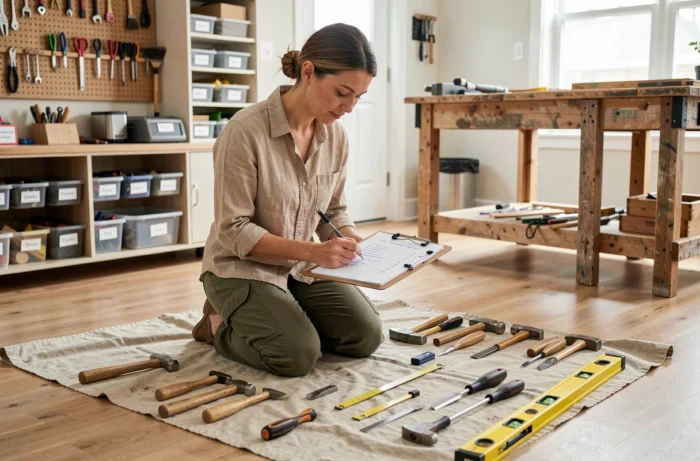
For a circular saw used only once a year, buying is rarely cost-effective. Renting specialized, expensive, or bulky tools is becoming an increasingly common option. Renting between individuals can lower the price, but the condition and availability of the equipment are more variable than with a professional rental service.
The classic trap: comparing only the rental rate to the purchase price. The real cost includes consumables, transport, and downtime. Discs, bits, and abrasive blades are often excluded from the rental rate. You also need to account for the trip to pick up and return the tool, cleaning, and storage if you buy.
When to buy, when to rent
- Buy tools that you use several times a month: drill-driver, tape measure, level, screwdriver set. The cost per use decreases quickly.
- Rent heavy or highly specialized machines: floor sander, rotary hammer, industrial heat gun. Using it once a year does not justify the investment or storage space.
- For a renovation project spread over several weeks, calculate the total rental days. Beyond a certain threshold, buying an entry-level model is cheaper.
Choosing hand tools according to the type of work
Lists of “necessary” tools found everywhere often line up the same inventory without distinction. A hammer and a screwdriver set are not enough if your project involves solid wood. A metal saw is useless for cutting drywall.
Always start from the material you will be working with, not from a generic list. Wood, metal, plaster, tiles: each material requires specific blades, bits, and fasteners. A concrete bit in wood will splinter the fibers. A wood blade in metal will heat up and break.
Adjusting quality to the level of use
A low-end screwdriver is fine for tightening a screw occasionally. To assemble an entire piece of furniture, the tip wears out and the bit slips in the screw head, damaging both the tool and the material.
Apply a simple rule: invest more in the tools you use most often. A good screwdriver set, a reliable drill-driver, and an accurate tape measure cover the majority of common tasks. For the rest, standard tools are sufficient if the use remains occasional.
Safety in DIY: the protections suited to each task
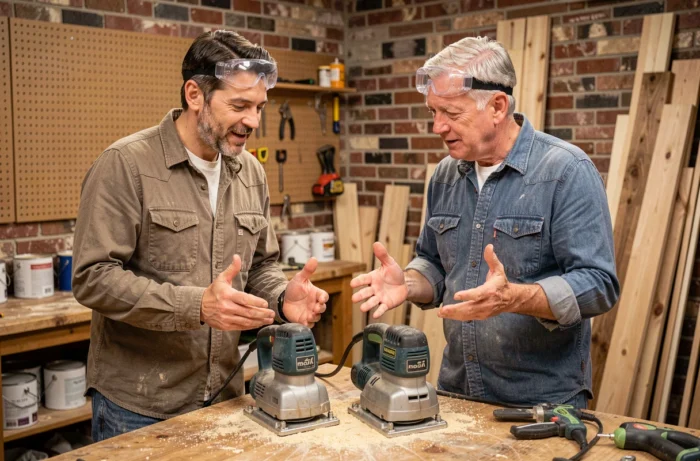
Safety glasses, gloves, and earplugs are not optional accessories. A metal or wood projectile in the eye, a deep cut from a saw, hearing loss from the repeated noise of a grinder: these risks are real, even for small jobs at home.
You don’t need a complete professional construction site setup. Adapt protection to the task:
- Safety glasses for any cutting, drilling, or sanding work. Projections are unpredictable, even with a simple hand saw.
- Gloves suited to the material: thick gloves for handling metal or glass, thin gloves to maintain dexterity with electricity or plumbing.
- Hearing protection whenever you use a noisy power tool (grinder, circular saw, rotary hammer). Hearing damage is irreversible and occurs without warning.
- Dust mask for sanding, cutting materials like plaster or treated wood, and any work generating fine particles.
Store these protections with your tools, not in a separate closet. If they are within reach, you will use them. Otherwise, you will “forget” to put them on for a quick job, exactly when accidents happen.
Storage and maintenance: what extends the lifespan of your equipment
A rusty tool cuts poorly, a dull bit puts stress on the material and the drill’s motor. Cleaning and properly storing your tools after each use doubles their lifespan.
Wipe down blades and metal parts after use. Store tools in a dry place. For power tools, remove the battery if you won’t be using them for several weeks, which preserves the cells.
One last often-overlooked point: regularly check the condition of cables, switches, and chucks. A chuck that no longer tightens properly causes the bit to vibrate, reducing precision and accelerating wear. Replacing a worn part costs much less than buying a whole new tool.